How AI Training Solutions Transform Customer Service Excellence in 2024
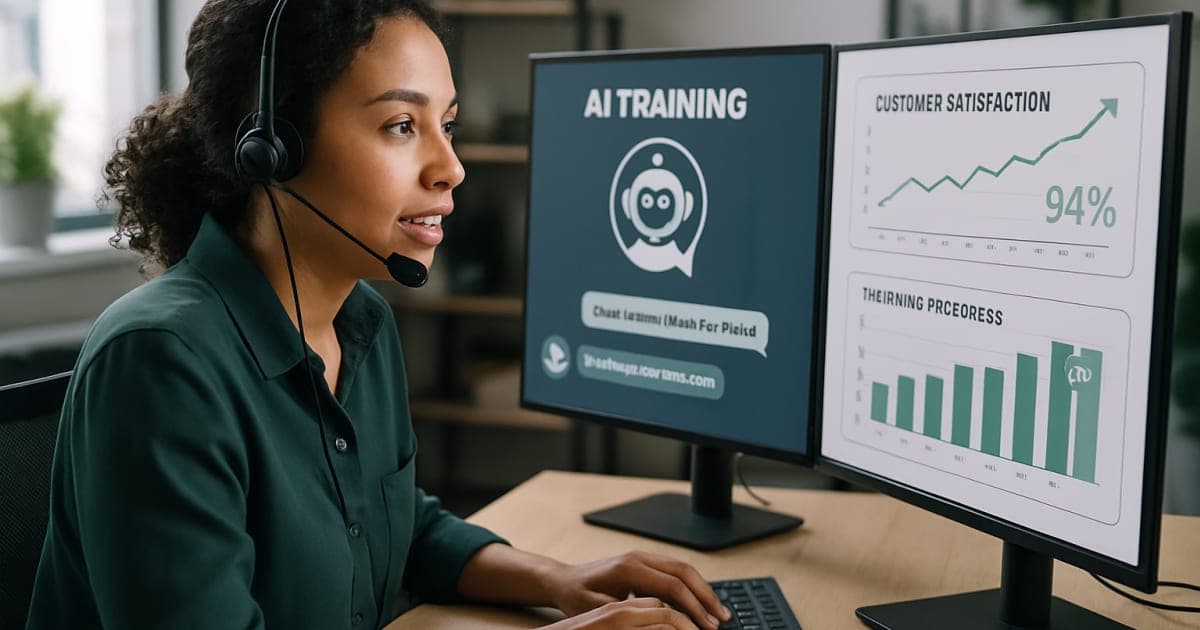
Customer service excellence is no longer optional—it's essential for business survival. Discover how AI training solutions are transforming customer support teams, delivering personalized learning experiences that drive measurable improvements in customer satisfaction and operational efficiency.
Small businesses today face unprecedented pressure to compete with larger enterprises while managing limited resources and budgets. The solution lies in leveraging autonomous technology to streamline operations, reduce costs, and drive sustainable growth without requiring massive investments or technical expertise.
Understanding Autonomous Technology for Small Business
Autonomous technology refers to systems that can operate independently with minimal human intervention, making decisions and executing tasks based on predefined rules and artificial intelligence. For small businesses, this technology represents a game-changing opportunity to automate routine processes, improve efficiency, and focus human resources on strategic activities that drive revenue. Unlike complex enterprise systems, modern autonomous solutions are designed to be user-friendly and accessible to businesses of all sizes.
The key advantage of autonomous technology lies in its ability to learn and adapt over time, becoming more effective as it processes more data. Small businesses can implement these solutions gradually, starting with simple automation tasks like email marketing, appointment scheduling, or inventory management. This approach allows companies to experience immediate benefits while building confidence in the technology's capabilities.
Key Benefits of Implementing Autonomous Systems
Cost reduction stands as the most immediate benefit small businesses experience when implementing autonomous technology. By automating repetitive tasks, companies can reduce labor costs, minimize human error, and eliminate the need for overtime during peak periods. According to McKinsey research, businesses can achieve 20-30% cost savings through strategic automation implementation.
Improved accuracy and consistency represent another significant advantage of autonomous systems. Human workers naturally experience fatigue and make occasional errors, but automated systems maintain consistent performance levels around the clock. This reliability translates to better customer experiences, fewer costly mistakes, and improved operational efficiency that directly impacts the bottom line.
Scalability becomes achievable for small businesses through autonomous technology, as these systems can handle increased workloads without proportional increases in staffing costs. Our automation solutions are specifically designed to grow with your business, adapting to changing needs and expanding capabilities as your company evolves.
Common Applications and Use Cases
Customer service automation represents one of the most popular applications for small businesses, with chatbots and automated response systems handling routine inquiries 24/7. These systems can resolve common questions, schedule appointments, and escalate complex issues to human staff when necessary. The result is improved customer satisfaction through faster response times and reduced workload for customer service teams.
Financial management and accounting processes benefit significantly from autonomous technology implementation. Automated invoice processing, expense tracking, and financial reporting eliminate manual data entry while providing real-time insights into business performance. Salesforce studies show that businesses using automated financial processes reduce processing time by up to 75% while improving accuracy.
Marketing automation enables small businesses to compete with larger companies by delivering personalized customer experiences at scale. Automated email campaigns, social media posting, and lead nurturing sequences can operate continuously, generating qualified leads and nurturing prospects through the sales funnel without constant manual oversight.
Implementation Strategies for Small Businesses
Successful autonomous technology implementation begins with identifying the most time-consuming and repetitive tasks within your business operations. Start by documenting current processes and calculating the time spent on routine activities each week. This analysis reveals the best opportunities for automation and helps prioritize which systems to implement first for maximum impact.
The phased approach works best for small businesses, allowing teams to adapt gradually while maintaining operational continuity. Begin with simple automation tools that integrate easily with existing systems, then expand to more sophisticated solutions as your team becomes comfortable with the technology. Our AI implementation process follows this methodology to ensure smooth transitions and user adoption.
Training and change management play crucial roles in successful implementation, as employees need to understand how autonomous technology enhances rather than replaces their roles. Focus on communicating the benefits and providing adequate training to help staff work effectively alongside automated systems. Companies that invest in proper training see 40% higher success rates in technology adoption according to Gartner research.
Overcoming Common Implementation Challenges
Budget constraints often concern small business owners considering autonomous technology investments, but modern solutions offer flexible pricing models that make implementation accessible. Cloud-based systems eliminate the need for expensive hardware investments, while subscription-based pricing allows businesses to scale costs with usage. Many companies discover that the cost savings from automation quickly offset implementation expenses, creating positive ROI within months.
Technical complexity fears frequently prevent small businesses from pursuing autonomous technology, but today's solutions prioritize user-friendliness and require minimal technical expertise. Most systems feature intuitive interfaces and provide comprehensive support resources to help businesses get started quickly. Our success stories demonstrate how companies with limited technical resources have successfully implemented and benefited from autonomous technology.
Data security and privacy concerns require careful consideration when selecting autonomous technology providers. Choose vendors that prioritize security with features like data encryption, regular security audits, and compliance with industry standards. Ensure that any autonomous system you implement includes robust backup and recovery capabilities to protect critical business information.
Measuring ROI and Success Metrics
Establishing clear metrics before implementing autonomous technology enables accurate measurement of success and return on investment. Key performance indicators should include time savings, cost reductions, error rates, and customer satisfaction scores. Track these metrics consistently to demonstrate the value of automation investments and identify areas for further optimization.
Financial impact measurement extends beyond simple cost savings to include revenue improvements through enhanced customer experiences and operational efficiency. Autonomous systems often enable businesses to serve more customers, process orders faster, and identify new revenue opportunities through data analysis. Document these improvements to build a comprehensive picture of technology ROI.
Long-term benefits of autonomous technology implementation compound over time as systems learn and optimize performance. Regular review and optimization ensure that automated processes continue delivering maximum value as business needs evolve. Schedule quarterly assessments to evaluate performance and identify opportunities for expanding autonomous technology use throughout your organization.
Future Trends and Opportunities
Artificial intelligence integration is rapidly advancing autonomous technology capabilities, enabling more sophisticated decision-making and predictive analytics for small businesses. These developments will make autonomous systems even more valuable for tasks like demand forecasting, personalized marketing, and proactive customer service. Small businesses that embrace these technologies early will gain significant competitive advantages in their markets.
Industry-specific solutions are emerging to address unique needs in sectors like retail, healthcare, professional services, and manufacturing. These specialized autonomous tools offer pre-configured workflows and industry-specific features that reduce implementation time and improve effectiveness. Staying informed about developments in your industry helps identify new opportunities for automation and efficiency improvements.
Integration capabilities continue expanding, allowing autonomous systems to work seamlessly with existing business tools and creating comprehensive automated workflows. This connectivity enables small businesses to build sophisticated operational systems that rival those of much larger companies. Our latest insights keep you informed about emerging trends and integration opportunities in autonomous technology.
Frequently Asked Questions
How much does autonomous technology cost for small businesses?
Autonomous technology costs vary widely based on complexity and scope, with basic automation tools starting as low as $20-50 per month. Most small businesses can implement meaningful automation solutions for $200-500 monthly, which typically pays for itself through labor savings and efficiency gains. The key is starting small and scaling up as you see results and ROI.
Will autonomous technology replace my employees?
Autonomous technology is designed to augment human workers, not replace them. These systems handle repetitive, time-consuming tasks, freeing employees to focus on higher-value activities like customer relationships, strategic planning, and creative problem-solving. Most small businesses find that automation allows them to grow without proportionally increasing staff costs rather than reducing their workforce.
How long does it take to implement autonomous technology?
Implementation timelines depend on the complexity of solutions and existing systems, but most small businesses can deploy basic automation within 1-4 weeks. Simple tools like email automation or appointment scheduling can often be operational within days. More comprehensive systems may require 2-3 months for full implementation and optimization.
Do I need technical expertise to manage autonomous systems?
Modern autonomous technology platforms are designed for non-technical users with intuitive interfaces and drag-and-drop functionality. Most systems include comprehensive training resources, customer support, and documentation to help you get started. While basic computer skills are helpful, you don't need programming knowledge or advanced technical expertise to successfully implement and manage these solutions.
What happens if the autonomous system makes a mistake?
Well-designed autonomous systems include safeguards, monitoring, and override capabilities to prevent and address errors. Most platforms allow you to set approval workflows for critical tasks and maintain human oversight for important decisions. Additionally, comprehensive logging and audit trails help identify and correct any issues quickly while improving system performance over time.
How secure is autonomous technology for small business data?
Reputable autonomous technology providers implement enterprise-grade security measures including data encryption, secure access controls, and regular security audits. Cloud-based solutions often provide better security than small businesses could implement independently, with dedicated security teams and compliance certifications. Always verify that providers meet industry security standards relevant to your business sector.
Can autonomous technology integrate with my existing business tools?
Most modern autonomous technology platforms offer extensive integration capabilities with popular business tools like CRM systems, accounting software, and communication platforms. Many solutions include pre-built connectors for common applications, while others offer API access for custom integrations. Our pricing plans include integration support to ensure seamless connectivity with your existing systems.
Getting Started
Ready to transform your business operations with autonomous technology? The journey begins with understanding your specific needs and identifying the best opportunities for automation within your organization. Don't let complexity concerns or budget limitations prevent you from exploring these powerful solutions that can drive significant growth and efficiency improvements. Contact our team today to schedule a consultation and discover how autonomous technology can revolutionize your small business operations while maintaining the personal touch your customers value.
Brandon Hufstetler
Principal and CEO of Autonomous Retail Technology
Brandon Hufstetler is an AI strategist and executive dedicated to helping businesses connect technology, data, and strategy to achieve real growth in the modern business era. As the Principal and CEO of Autonomous Retail Technology, he leads initiatives that use AI to streamline operations, enhance decision-making, and scale business impact. With nearly 25 years of experience spanning startups, scaling ventures, and large enterprises, Brandon has built a reputation for bridging the gap between innovation and execution. His approach blends business acumen with deep technical insight, enabling organizations to embrace AI in ways that are both responsible and transformative. Before founding Autonomous Retail Technology, Brandon spent more than a decade in senior leadership roles overseeing digital transformation, business development, and enterprise analytics. He is passionate about empowering leaders to navigate the evolving AI landscape with confidence, creativity, and measurable outcomes.
Ready to Automate Your Business?
Let's discuss how automation can transform your operations.
Book a Free Consultation