How Automated Customer Service Can Transform Your Business in 2024: Complete Implementation Guide
Transform your customer service operations with intelligent automation. Learn how leading businesses are using AI-powered customer service systems to deliver 24/7 support, reduce response times, and increase customer satisfaction while cutting operational costs.
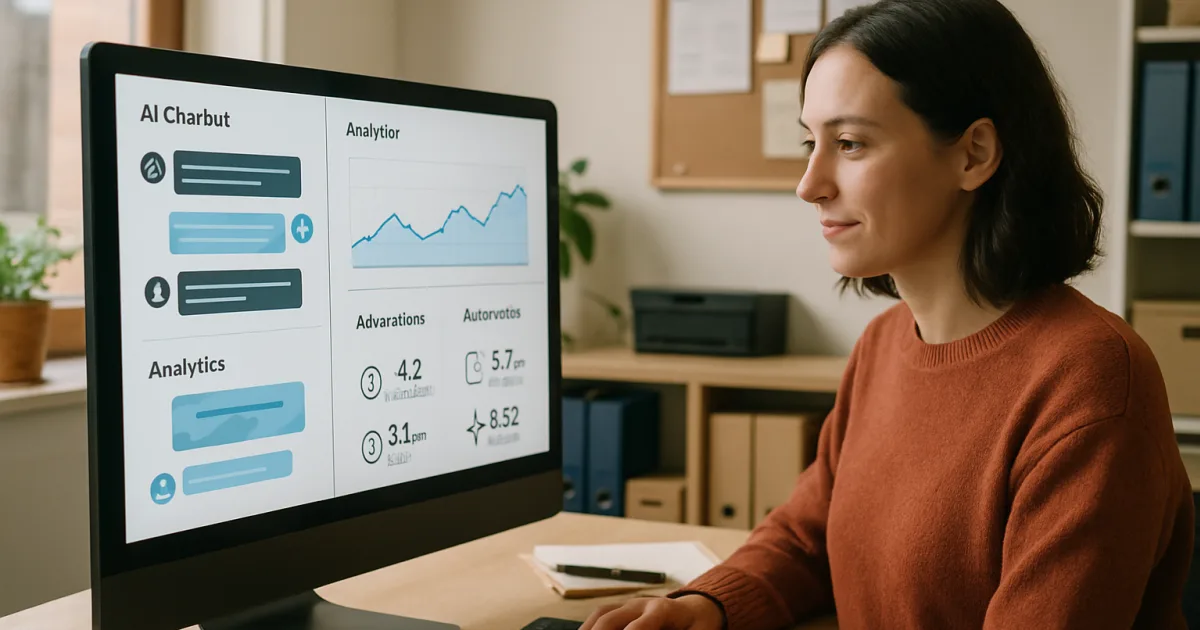
Artificial intelligence and automation are transforming how small businesses operate, offering unprecedented opportunities to streamline processes, reduce costs, and accelerate growth. With the right autonomous technology solutions, even small teams can achieve enterprise-level efficiency and compete with larger organizations in today's digital marketplace.
The Power of Autonomous Technology for Small Businesses
Small businesses today face unique challenges that autonomous technology can address effectively. Limited resources, tight budgets, and small teams often mean entrepreneurs and their staff wear multiple hats, juggling customer service, marketing, sales, and operations simultaneously. Autonomous technology solutions can handle routine tasks automatically, freeing up valuable time for strategic decision-making and business growth. According to McKinsey research, businesses that implement AI and automation see productivity gains of 40% or more within the first year.
The beauty of modern autonomous technology lies in its accessibility and scalability for smaller operations. Unlike traditional enterprise software that required massive IT infrastructure and dedicated technical teams, today's AI-powered solutions are cloud-based, user-friendly, and designed for businesses of all sizes. These tools can automate everything from customer inquiries and appointment scheduling to inventory management and financial reporting. Our automation solutions are specifically designed to integrate seamlessly with existing small business workflows without requiring extensive technical expertise.
Key Areas Where Automation Drives Small Business Success
Customer service automation represents one of the most impactful areas where small businesses can leverage autonomous technology. AI-powered chatbots and virtual assistants can handle up to 80% of routine customer inquiries, providing instant responses 24/7 while escalating complex issues to human team members. This ensures customers receive immediate attention even outside business hours, dramatically improving satisfaction rates and reducing response times. Small businesses using automated customer service systems report 35% fewer customer complaints and 50% faster resolution times.
Marketing automation is another game-changer for resource-constrained small businesses. Autonomous systems can segment customers based on behavior and preferences, send personalized email campaigns, schedule social media posts, and track campaign performance across multiple channels. These systems learn from customer interactions and continuously optimize messaging and timing for maximum engagement. Sales automation works hand-in-hand with marketing, automatically qualifying leads, scheduling follow-ups, and nurturing prospects through the sales funnel without constant manual intervention.
Financial and operational automation streamlines back-office processes that typically consume hours of manual work each week. Automated invoicing systems can generate and send invoices, track payments, and follow up on overdue accounts without human intervention. Inventory management systems automatically reorder products when stock levels reach predetermined thresholds, preventing stockouts and overordering. Expense tracking and reporting automation ensures accurate financial records while reducing the time spent on bookkeeping and tax preparation.
Implementing Autonomous Technology: A Strategic Approach
Successful implementation of autonomous technology requires a thoughtful, strategic approach rather than rushing to automate everything at once. Small business owners should start by identifying their most time-consuming, repetitive tasks and evaluating which processes would benefit most from automation. Common starting points include email marketing, appointment scheduling, basic customer inquiries, and invoice generation. Understanding AI implementation best practices helps ensure smooth adoption and maximum return on investment.
The key to successful automation lies in choosing solutions that integrate well with existing tools and workflows. Many small businesses already use popular platforms like QuickBooks for accounting, Mailchimp for email marketing, or Shopify for e-commerce. The most effective autonomous technology solutions connect seamlessly with these existing systems, creating a unified ecosystem where data flows automatically between platforms. This integration eliminates data silos and provides a complete view of business operations without requiring employees to learn entirely new systems.
Change management and employee training play crucial roles in automation success. While autonomous technology handles routine tasks, human employees can focus on higher-value activities like strategic planning, creative problem-solving, and building customer relationships. Clear communication about how automation enhances rather than replaces human capabilities helps ensure team buy-in and smooth implementation. Providing adequate training on new systems and establishing clear processes for monitoring and optimizing automated workflows maximizes the benefits of technological investment.
Measuring ROI and Success Metrics
Tracking the return on investment from autonomous technology implementation helps small businesses justify their technology spending and identify areas for improvement. Key performance indicators should include time savings, cost reduction, revenue growth, and customer satisfaction improvements. Most small businesses see measurable results within 60-90 days of implementing automation solutions. Time tracking before and after automation provides concrete evidence of efficiency gains, while customer satisfaction surveys reveal improvements in service quality and responsiveness.
Financial metrics provide the clearest picture of automation's impact on business profitability. Reduced labor costs for routine tasks, decreased error rates in financial processes, and improved cash flow from automated invoicing and collections directly impact the bottom line. Revenue metrics such as increased sales conversion rates, higher customer lifetime value, and improved customer retention demonstrate automation's contribution to business growth. Our success stories showcase real-world examples of small businesses achieving significant ROI through strategic automation implementation.
Operational metrics reveal how automation improves day-to-day business efficiency and effectiveness. Response time improvements, error rate reductions, and process completion speeds provide valuable insights into automation's operational impact. Customer-facing metrics like first-call resolution rates, customer satisfaction scores, and response times directly correlate with business reputation and growth potential. Regular monitoring and analysis of these metrics enable continuous optimization of automated processes for maximum benefit.
Overcoming Common Implementation Challenges
Many small business owners worry about the complexity and cost of implementing autonomous technology, but modern solutions are designed specifically to address these concerns. Cloud-based platforms eliminate the need for expensive hardware investments or dedicated IT staff, while subscription-based pricing models make advanced automation accessible to businesses with limited budgets. Most automation platforms offer free trials and scalable pricing that grows with the business, allowing small companies to start small and expand their automation capabilities over time.
Data security and privacy concerns are valid considerations that reputable automation providers take seriously. Look for solutions that offer enterprise-grade security features, including data encryption, secure data centers, and compliance with industry standards like SOC 2 and GDPR. Regular security audits and transparent privacy policies demonstrate a provider's commitment to protecting sensitive business and customer information. Gartner research indicates that cloud-based automation solutions often provide better security than on-premise systems for small businesses.
Integration challenges can be minimized by choosing automation platforms with robust API capabilities and pre-built integrations with popular small business tools. Many providers offer implementation support and training resources to ensure smooth setup and adoption. Starting with simple automations and gradually expanding capabilities allows teams to build confidence and expertise without overwhelming existing processes. Professional consultation and support services can accelerate implementation and help businesses avoid common pitfalls.
Future-Proofing Your Small Business with Autonomous Technology
The rapid pace of technological advancement means that businesses investing in automation today are positioning themselves for long-term competitive advantage. Artificial intelligence and machine learning capabilities continue to improve, making automation solutions smarter and more capable over time. Small businesses that embrace these technologies early gain valuable experience and data advantages that compound over time. According to Harvard Business Review research, early adopters of automation technology maintain competitive advantages for years after implementation.
Scalability considerations are crucial when selecting autonomous technology solutions for growing small businesses. The best platforms grow with your business, offering advanced features and increased capacity as needs evolve. This scalability prevents the need for costly platform migrations and ensures consistent processes as team size and business complexity increase. Choosing solutions with strong developer ecosystems and regular feature updates provides access to cutting-edge capabilities without constant platform switching.
Building an automation-first mindset within your organization creates a culture of continuous improvement and innovation. Employees who understand and embrace autonomous technology become valuable assets who can identify new automation opportunities and optimize existing processes. This cultural shift toward efficiency and innovation helps small businesses remain agile and competitive in rapidly changing markets. Regular team training and staying informed about automation trends ensures your business continues to leverage the latest technological advances.
Frequently Asked Questions
How much does autonomous technology cost for small businesses?
Most small business automation solutions use subscription-based pricing starting from $20-100 per month, scaling with business size and features needed. The initial investment typically pays for itself within 3-6 months through time savings and efficiency gains. Many platforms offer free trials and flexible pricing that grows with your business, making automation accessible even for startups and micro-businesses.
Will automation replace my employees?
Automation enhances rather than replaces human capabilities, handling routine tasks so employees can focus on strategic, creative, and relationship-building activities. Most small businesses find that automation allows them to accomplish more with their existing team rather than reducing staff. Employees often appreciate being freed from repetitive tasks to work on more engaging and valuable projects.
How long does it take to implement automation solutions?
Basic automation implementations typically take 1-4 weeks, depending on complexity and integration requirements. Most small businesses start seeing benefits within the first month of implementation. Starting with simple automations and gradually expanding capabilities allows for faster initial deployment and easier team adoption.
What if I'm not technically savvy enough to manage automated systems?
Modern automation platforms are designed for non-technical users with intuitive interfaces and drag-and-drop functionality. Most providers offer comprehensive training, documentation, and customer support to ensure successful implementation and ongoing management. Many small business owners find automation platforms easier to use than traditional software applications.
Which business processes should I automate first?
Start with repetitive, time-consuming tasks that follow predictable patterns, such as email marketing, appointment scheduling, invoice generation, or basic customer inquiries. These processes typically offer the quickest return on investment and easiest implementation. Our automation solutions can help identify the best starting points for your specific business needs.
Is my business data secure with automated systems?
Reputable automation platforms implement enterprise-grade security measures including data encryption, secure cloud storage, and compliance with industry standards. Many cloud-based solutions offer better security than small businesses can implement on their own. Always choose providers with transparent security practices and regular third-party security audits.
How do I measure the success of automation implementation?
Track key metrics including time savings, cost reduction, revenue growth, error rate improvements, and customer satisfaction scores. Most businesses see measurable results within 60-90 days of implementation. Regular monitoring and analysis help optimize automated processes and identify additional automation opportunities for continued improvement.
Getting Started
Ready to transform your small business with autonomous technology? The journey to increased efficiency, reduced costs, and accelerated growth begins with understanding your unique automation opportunities and selecting the right solutions for your specific needs. Our team of automation experts can help you identify the highest-impact processes for automation and develop a customized implementation strategy that fits your budget and timeline. Don't let manual processes hold your business back from reaching its full potential. Schedule a consultation today to discover how autonomous technology can revolutionize your operations and drive sustainable growth for years to come.
Brandon Hufstetler
Principal and CEO of Autonomous Retail Technology
Brandon Hufstetler is an AI strategist and executive dedicated to helping businesses connect technology, data, and strategy to achieve real growth in the modern business era. As the Principal and CEO of Autonomous Retail Technology, he leads initiatives that use AI to streamline operations, enhance decision-making, and scale business impact. With nearly 25 years of experience spanning startups, scaling ventures, and large enterprises, Brandon has built a reputation for bridging the gap between innovation and execution. His approach blends business acumen with deep technical insight, enabling organizations to embrace AI in ways that are both responsible and transformative. Before founding Autonomous Retail Technology, Brandon spent more than a decade in senior leadership roles overseeing digital transformation, business development, and enterprise analytics. He is passionate about empowering leaders to navigate the evolving AI landscape with confidence, creativity, and measurable outcomes.
Ready to Automate Your Business?
Let's discuss how automation can transform your operations.
Book a Free Consultation