How Automated Customer Service Slashes Operational Costs by 60%: A Complete Guide for Business Leaders
Business leaders are discovering that automated customer service isn't just about improving response times—it's a powerful strategy for dramatically reducing operational costs. Learn how leading companies are cutting support expenses by 60% while actually improving customer satisfaction through smart automation implementation.
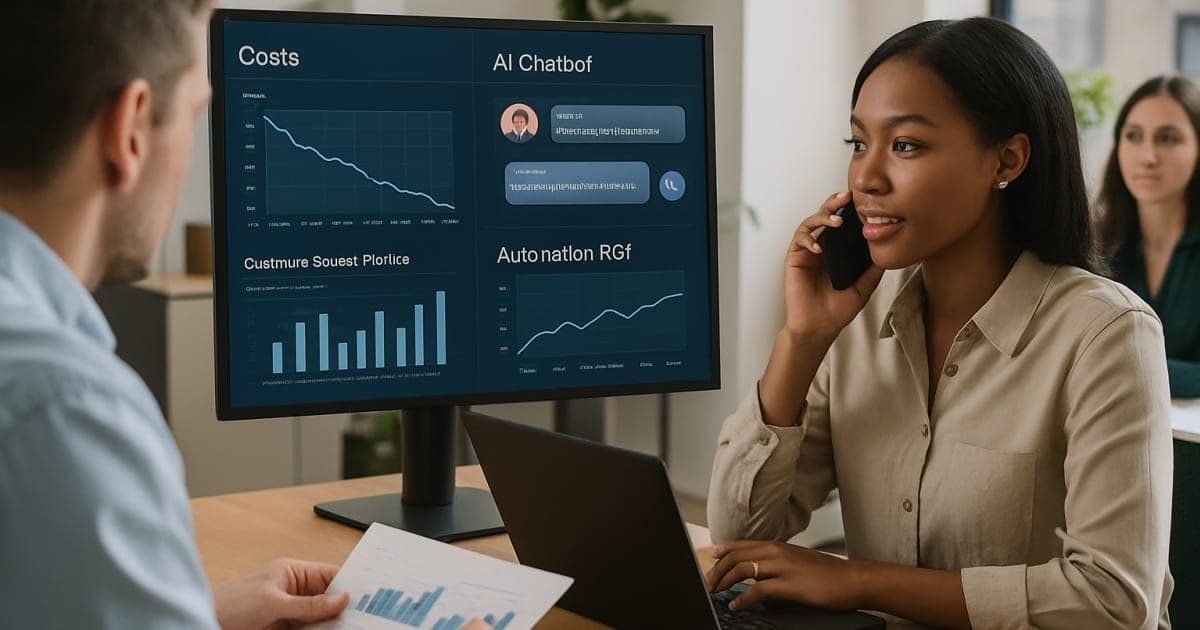
Small businesses today face increasing pressure to streamline operations while maintaining quality service and competitive pricing. Autonomous technology offers powerful solutions that can transform how companies operate, helping them reduce costs, improve efficiency, and scale their operations without the traditional overhead of hiring additional staff.
Understanding Autonomous Technology for Small Business
Autonomous technology refers to systems that can operate independently with minimal human intervention, using artificial intelligence and machine learning to make decisions and complete tasks. For small businesses, this technology isn't about replacing human workers entirely, but rather about automating repetitive, time-intensive processes that drain resources and limit growth potential. From customer service chatbots to inventory management systems, autonomous solutions can handle routine operations while your team focuses on strategic initiatives and customer relationships.
The key advantage for small businesses lies in the technology's ability to work continuously without breaks, vacation time, or sick days. According to McKinsey research, automation could increase productivity by up to 1.4 percent annually. This means tasks that previously required hours of manual work can be completed in minutes, freeing up valuable time for business owners to focus on growth and innovation.
Key Benefits of Implementing Autonomous Solutions
The most immediate benefit small businesses experience with autonomous technology is significant cost reduction in operational expenses. By automating routine tasks like data entry, appointment scheduling, and basic customer inquiries, businesses can reduce labor costs while improving accuracy and response times. Our automation solutions have helped companies cut operational costs by an average of 30-40% within the first year of implementation.
Beyond cost savings, autonomous technology delivers consistent performance that human workers simply cannot match. These systems don't experience fatigue, mood variations, or concentration lapses that can affect quality and productivity. They process information at lightning speed, can handle multiple tasks simultaneously, and maintain the same high level of performance 24/7. This reliability translates directly into improved customer satisfaction and more predictable business outcomes.
Scalability represents another crucial advantage for growing small businesses. Traditional scaling often requires proportional increases in staff, training, and management overhead. Autonomous systems can handle increased workloads without additional hiring, making it easier for small businesses to capitalize on growth opportunities without the typical growing pains and cash flow challenges.
Common Applications Across Industries
Customer service automation has become one of the most popular applications, with intelligent chatbots handling routine inquiries, processing orders, and providing 24/7 support. Retail businesses use autonomous inventory management systems that automatically reorder products when stock levels drop, preventing costly stockouts and overstock situations. Service-based companies implement automated scheduling systems that handle appointments, send reminders, and manage cancellations without human intervention.
Financial processes represent another area where small businesses see immediate benefits from autonomous technology. Automated invoicing, payment processing, and expense tracking eliminate manual data entry errors and ensure consistent cash flow management. Salesforce reports that businesses using automation see a 14.5% increase in sales productivity and a 12.2% reduction in marketing overhead costs.
Marketing automation has revolutionized how small businesses nurture leads and maintain customer relationships. These systems can segment audiences, personalize email campaigns, track customer behavior, and automatically follow up with prospects based on their actions. The result is more effective marketing that requires less manual effort and delivers better ROI than traditional marketing approaches.
Implementation Strategy for Small Businesses
Successful implementation begins with identifying the most time-intensive and repetitive tasks in your current operations. Start by documenting workflows and calculating the time spent on routine activities like data entry, customer communications, and administrative tasks. This analysis helps prioritize which processes will deliver the highest return on investment when automated. Understanding AI implementation best practices ensures your automation project delivers maximum value from day one.
The most effective approach involves starting small with one or two critical processes rather than attempting to automate everything at once. Choose processes that are well-defined, repetitive, and rule-based for initial automation projects. This allows your team to adapt to the technology gradually while demonstrating clear value quickly. Success with initial projects builds confidence and expertise for more complex automation initiatives.
Integration with existing systems is crucial for seamless operation and user adoption. Modern autonomous solutions are designed to work with popular business software like CRM systems, accounting platforms, and communication tools. Proper integration ensures data flows smoothly between systems and eliminates the need for duplicate data entry or manual transfers between platforms.
Overcoming Common Implementation Challenges
Employee resistance often represents the biggest hurdle in autonomous technology adoption, with team members fearing job displacement or increased complexity. Address these concerns through transparent communication about how automation will enhance rather than replace human roles. Focus on how the technology will eliminate tedious tasks and allow employees to engage in more meaningful, strategic work that contributes to business growth.
Technical complexity can seem overwhelming for small business owners without extensive IT backgrounds. However, modern autonomous solutions are designed with user-friendly interfaces and often include comprehensive support during implementation. Many providers offer training programs and ongoing support to ensure successful adoption. Reviewing success stories from similar businesses can provide valuable insights and realistic expectations for your implementation journey.
Budget constraints require careful planning and phased implementation approaches. Rather than viewing autonomous technology as a large upfront expense, consider it an investment that pays for itself through operational savings and increased productivity. Many solutions offer flexible pricing models that scale with usage, making it easier for small businesses to start with basic automation and expand capabilities as they see results.
Measuring Success and ROI
Establishing clear metrics before implementation allows you to accurately measure the impact of autonomous technology on your business operations. Key performance indicators should include time savings, cost reduction, error rates, customer satisfaction scores, and revenue growth attributed to improved efficiency. Track these metrics consistently to demonstrate value and identify opportunities for further optimization.
Financial ROI calculation should include both direct cost savings and indirect benefits like improved customer retention and faster response times. Most small businesses see positive ROI within 6-12 months of implementation, with savings increasing over time as the system handles more processes and the team becomes more proficient with the technology. According to Forrester research, companies using automation platforms achieve an average ROI of 188% over three years.
Regular performance reviews help optimize system performance and identify new automation opportunities. Monthly or quarterly assessments should evaluate system performance, user feedback, and business impact. This ongoing monitoring ensures your autonomous technology continues delivering value and adapts to changing business needs and growth opportunities.
Future-Proofing Your Business
Autonomous technology is rapidly evolving, with new capabilities and applications emerging regularly. Staying informed about technological developments helps small businesses identify opportunities to expand their automation initiatives and maintain competitive advantages. Consider working with technology partners who provide ongoing updates and new feature releases as part of their service offerings.
Building a culture of continuous improvement and technology adoption prepares your team for future innovations and ensures your business remains competitive in an increasingly automated marketplace. Encourage team members to identify new automation opportunities and provide feedback on existing systems. This collaborative approach drives innovation and helps maximize the value of your technology investments.
Strategic planning should include regular technology assessments and budget allocation for automation expansion. As your business grows and processes become more complex, additional automation opportunities will emerge. Planning for these future needs ensures you can capitalize on growth opportunities without being constrained by manual processes or operational limitations.
Frequently Asked Questions
How much does autonomous technology cost for small businesses?
Costs vary significantly based on the complexity and scope of automation, but most small businesses can start with basic solutions for $200-500 per month. Many autonomous technology platforms offer scalable pricing that grows with your usage and business needs. The initial investment typically pays for itself within 6-12 months through operational savings and increased productivity.
Will autonomous technology replace my employees?
Autonomous technology is designed to enhance human capabilities rather than replace workers entirely. It handles repetitive, time-intensive tasks so your team can focus on strategic activities, customer relationships, and creative problem-solving. Most small businesses find that automation allows them to grow without proportional increases in staff while improving job satisfaction for existing employees.
How long does it take to implement autonomous solutions?
Implementation timelines depend on the complexity of your processes and chosen solutions, but most small businesses see initial automation running within 2-4 weeks. Simple processes like email automation or basic chatbots can be operational within days, while more complex workflows may require several weeks of setup and testing. Our pricing includes implementation support to ensure smooth deployment.
What technical skills do I need to manage autonomous systems?
Modern autonomous solutions are designed for business users without extensive technical backgrounds. Most platforms feature drag-and-drop interfaces and pre-built templates that make setup straightforward. Training and ongoing support are typically included with implementation, ensuring you and your team can effectively manage and optimize your automated systems.
Can autonomous technology integrate with my existing software?
Yes, most autonomous solutions are designed to integrate seamlessly with popular business applications like CRM systems, accounting software, email platforms, and communication tools. Integration capabilities ensure data flows smoothly between systems without manual intervention. Our team evaluates your current software stack to ensure compatibility and optimal integration.
What happens if the autonomous system makes an error?
Autonomous systems include built-in error detection and correction mechanisms, along with human oversight checkpoints for critical processes. Most platforms provide detailed logs and monitoring tools that alert you to any issues immediately. While autonomous systems are highly accurate, they're designed with safeguards and escalation procedures to handle exceptions and ensure business continuity.
How do I know which processes to automate first?
Start by identifying repetitive, time-intensive tasks that follow consistent rules and don't require creative decision-making. Common first automation projects include customer service inquiries, appointment scheduling, invoice processing, and email marketing campaigns. Schedule a consultation to receive a personalized assessment of your automation opportunities and implementation priorities.
Getting Started
Ready to transform your business operations with autonomous technology? The key to success lies in starting with the right processes and having expert guidance throughout implementation. Our team specializes in helping small businesses identify high-impact automation opportunities and implement solutions that deliver measurable results from day one. Explore our automation solutions or schedule a consultation to discover how autonomous technology can streamline your operations and accelerate your business growth.
Brandon Hufstetler
Principal and CEO of Autonomous Retail Technology
Brandon Hufstetler is an AI strategist and executive dedicated to helping businesses connect technology, data, and strategy to achieve real growth in the modern business era. As the Principal and CEO of Autonomous Retail Technology, he leads initiatives that use AI to streamline operations, enhance decision-making, and scale business impact. With nearly 25 years of experience spanning startups, scaling ventures, and large enterprises, Brandon has built a reputation for bridging the gap between innovation and execution. His approach blends business acumen with deep technical insight, enabling organizations to embrace AI in ways that are both responsible and transformative. Before founding Autonomous Retail Technology, Brandon spent more than a decade in senior leadership roles overseeing digital transformation, business development, and enterprise analytics. He is passionate about empowering leaders to navigate the evolving AI landscape with confidence, creativity, and measurable outcomes.
Ready to Automate Your Business?
Let's discuss how automation can transform your operations.
Book a Free Consultation