Automated Customer Service Without IT: A Complete Guide for Small Businesses
Small businesses can implement powerful automated customer service solutions without hiring IT staff. Learn about user-friendly platforms, step-by-step implementation, and how to transform your customer support with zero technical expertise required.
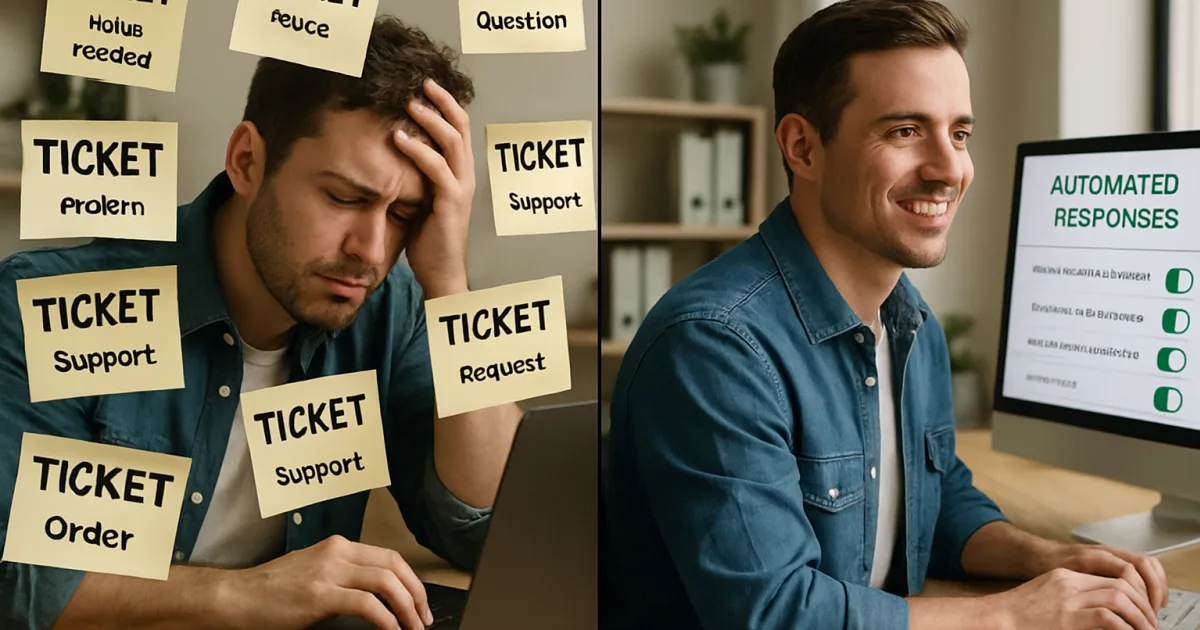
Artificial intelligence is transforming how small businesses operate, compete, and grow in today's digital economy. From automating routine tasks to providing deep customer insights, AI technology offers unprecedented opportunities for businesses to streamline operations and boost profitability.
Understanding AI Technology for Small Business
Artificial intelligence encompasses a broad range of technologies that enable machines to perform tasks typically requiring human intelligence. For small businesses, AI applications include chatbots for customer service, predictive analytics for inventory management, and automated marketing campaigns that respond to customer behavior. These tools don't require massive IT departments or significant technical expertise to implement effectively. Modern AI solutions are designed with user-friendly interfaces that allow business owners to harness powerful capabilities without extensive training.
The key to successful AI adoption lies in identifying specific business challenges that technology can address. Whether you're struggling with customer response times, inventory forecasting, or lead qualification, there's likely an AI solution that can help. Our automation solutions are specifically designed to address the most common pain points facing growing businesses today.
Core Benefits of AI Implementation
The primary advantage of AI technology is its ability to handle repetitive tasks with consistent accuracy, freeing up human resources for strategic activities. Small businesses using AI report significant improvements in efficiency, with some seeing productivity gains of 20-40% within the first year of implementation. Cost reduction is another major benefit, as AI systems can often perform the work of multiple employees at a fraction of the ongoing expense.
Customer experience improvements represent another crucial benefit of AI adoption. Intelligent systems can provide 24/7 customer support, personalize product recommendations, and respond to inquiries instantly. According to McKinsey research, companies using AI for customer service see satisfaction scores increase by an average of 15-20%. These improvements directly translate to increased customer retention and higher lifetime value.
Common AI Applications for Small Businesses
Customer service automation stands as one of the most popular AI applications among small businesses. Chatbots and virtual assistants can handle common inquiries, schedule appointments, and even process simple transactions without human intervention. Marketing automation represents another high-impact area, where AI systems can segment customers, personalize email campaigns, and optimize advertising spend across multiple channels. These applications typically show measurable results within weeks of implementation.
Financial management and accounting processes also benefit significantly from AI integration. Automated bookkeeping systems can categorize expenses, generate invoices, and even predict cash flow patterns based on historical data. Inventory management systems use AI to forecast demand, optimize stock levels, and automatically reorder products when quantities run low. These applications help prevent both stockouts and overstock situations that can impact profitability.
Implementation Strategies That Work
Successful AI implementation begins with a clear assessment of your current processes and identification of automation opportunities. Start with one specific area where manual work consumes significant time or where errors frequently occur. This focused approach allows you to measure results clearly and build confidence in the technology before expanding to other areas. Our AI implementation process is designed to minimize disruption while maximizing early wins.
Training and change management are critical components of successful AI adoption. Employees need to understand how the new technology will enhance their roles rather than replace them. Clear communication about AI benefits and hands-on training sessions help teams embrace new tools enthusiastically. According to Gartner studies, organizations with comprehensive change management programs see 60% higher success rates with AI initiatives.
Measuring Success and ROI
Establishing clear metrics before AI implementation ensures you can accurately measure the technology's impact on your business. Key performance indicators should include time savings, cost reduction, error rates, and customer satisfaction scores. Most businesses see initial results within 30-60 days, with more significant improvements emerging over 3-6 months as systems learn and optimize. Document baseline measurements to track progress effectively.
Return on investment calculations should consider both direct cost savings and indirect benefits like improved customer retention and increased sales capacity. Many small businesses achieve positive ROI within six months of implementation, with some seeing returns as high as 300% annually. Our success stories demonstrate real-world results across various industries and business sizes. Regular performance reviews help identify additional optimization opportunities and ensure continued value from your AI investments.
Overcoming Common Implementation Challenges
Data quality and integration issues represent the most common obstacles in AI implementation. Many businesses discover their existing data is incomplete, inconsistent, or stored in incompatible formats. Addressing these issues upfront prevents delays and ensures AI systems have the quality information needed for optimal performance. Investing time in data cleanup and standardization pays dividends throughout the implementation process.
Budget constraints and technical complexity concerns often discourage small businesses from pursuing AI solutions. However, modern cloud-based AI platforms offer affordable subscription models that eliminate large upfront investments. These solutions handle technical complexity behind the scenes, allowing business owners to focus on results rather than infrastructure management. Forrester research shows that cloud-based AI solutions reduce implementation time by 50% compared to on-premises alternatives.
Future-Proofing Your AI Strategy
Building a sustainable AI strategy requires selecting solutions that can grow and adapt with your business. Look for platforms that offer extensive integration capabilities and regular updates to stay current with technological advances. Scalability is crucial, as your AI needs will evolve as your business expands and processes become more sophisticated. Choose partners who demonstrate commitment to ongoing innovation and customer success.
Staying informed about AI developments helps you identify new opportunities and maintain competitive advantages. Industry publications, webinars, and conferences provide valuable insights into emerging trends and best practices. Our latest insights keep you updated on the most relevant AI developments for small businesses. Regular strategy reviews ensure your AI investments continue delivering value as your business and the technology landscape evolve.
Frequently Asked Questions
How much does AI implementation typically cost for small businesses?
AI implementation costs vary widely depending on the scope and complexity of your needs, but most small businesses can start with solutions ranging from $50 to $500 per month. Cloud-based AI platforms typically use subscription models that scale with usage, making them accessible for businesses of all sizes. Many solutions offer free trials or starter plans that allow you to test functionality before making significant investments. The key is starting small and expanding as you see results and identify additional opportunities.
Do I need technical expertise to implement AI in my business?
Modern AI solutions are designed for business users without requiring deep technical knowledge. Most platforms offer intuitive interfaces, guided setup processes, and comprehensive support resources. While some technical understanding is helpful, many successful AI implementations are led by business owners who focus on identifying problems and desired outcomes rather than technical details. Working with experienced AI solution providers can bridge any technical gaps and ensure smooth implementation.
How long does it take to see results from AI implementation?
Most businesses begin seeing initial results within 2-4 weeks of AI implementation, with more significant improvements emerging over 2-3 months. Simple automation tasks like chatbot responses or email sorting can show immediate benefits, while more complex applications like predictive analytics may require several weeks to gather sufficient data. The timeline depends on the complexity of your processes and the quality of your existing data. Setting realistic expectations and measuring progress regularly helps ensure successful outcomes.
Will AI replace my employees?
AI is designed to augment human capabilities rather than replace workers, especially in small business environments. The technology excels at handling repetitive tasks and data processing, freeing employees to focus on creative problem-solving, customer relationships, and strategic activities. Most small businesses find that AI helps them grow and serve more customers without reducing their workforce. The goal is to make your team more productive and your business more competitive, not to eliminate jobs.
What types of data does AI need to work effectively?
AI systems work best with clean, consistent data that's relevant to your specific use case. Common data types include customer information, sales records, website interactions, and communication logs. The quality and completeness of your data matter more than quantity, though having historical information helps AI systems identify patterns and make better predictions. Our consultation process includes data assessment to ensure your AI implementation has the foundation needed for success.
How do I choose the right AI solution for my business?
Start by identifying your biggest operational challenges and time-consuming tasks that could benefit from automation. Consider solutions that integrate well with your existing systems and offer scalability as your business grows. Look for providers with strong customer support, proven track records in your industry, and transparent pricing models. Requesting demos and speaking with current users can provide valuable insights into real-world performance and support quality.
Is my business data secure with AI solutions?
Reputable AI solution providers implement enterprise-grade security measures including encryption, access controls, and regular security audits. Look for providers that comply with industry standards and regulations relevant to your business, such as GDPR, HIPAA, or PCI DSS. Data privacy policies should clearly explain how your information is used, stored, and protected. Always review security documentation and ask specific questions about data handling practices before making a commitment.
Getting Started
The journey to AI-powered business transformation begins with understanding your unique challenges and opportunities. Whether you're looking to automate customer service, streamline operations, or gain better insights from your data, the right AI solution can deliver measurable results quickly. Don't let the complexity of technology choices overwhelm you – start with a clear assessment of your needs and explore pricing options that fit your budget and goals. Take the first step toward transforming your business operations and discover what makes us different in delivering AI solutions that actually work for small businesses.
Brandon Hufstetler
Principal and CEO of Autonomous Retail Technology
Brandon Hufstetler is an AI strategist and executive dedicated to helping businesses connect technology, data, and strategy to achieve real growth in the modern business era. As the Principal and CEO of Autonomous Retail Technology, he leads initiatives that use AI to streamline operations, enhance decision-making, and scale business impact. With nearly 25 years of experience spanning startups, scaling ventures, and large enterprises, Brandon has built a reputation for bridging the gap between innovation and execution. His approach blends business acumen with deep technical insight, enabling organizations to embrace AI in ways that are both responsible and transformative. Before founding Autonomous Retail Technology, Brandon spent more than a decade in senior leadership roles overseeing digital transformation, business development, and enterprise analytics. He is passionate about empowering leaders to navigate the evolving AI landscape with confidence, creativity, and measurable outcomes.
Ready to Automate Your Business?
Let's discuss how automation can transform your operations.
Book a Free Consultation