Marketing Automation for Small Business: Cut Operational Costs by 40% in 2024
Small businesses waste thousands on manual marketing tasks. Learn how marketing automation can slash your operational costs by 40% while improving customer engagement and driving more qualified leads through your sales funnel.
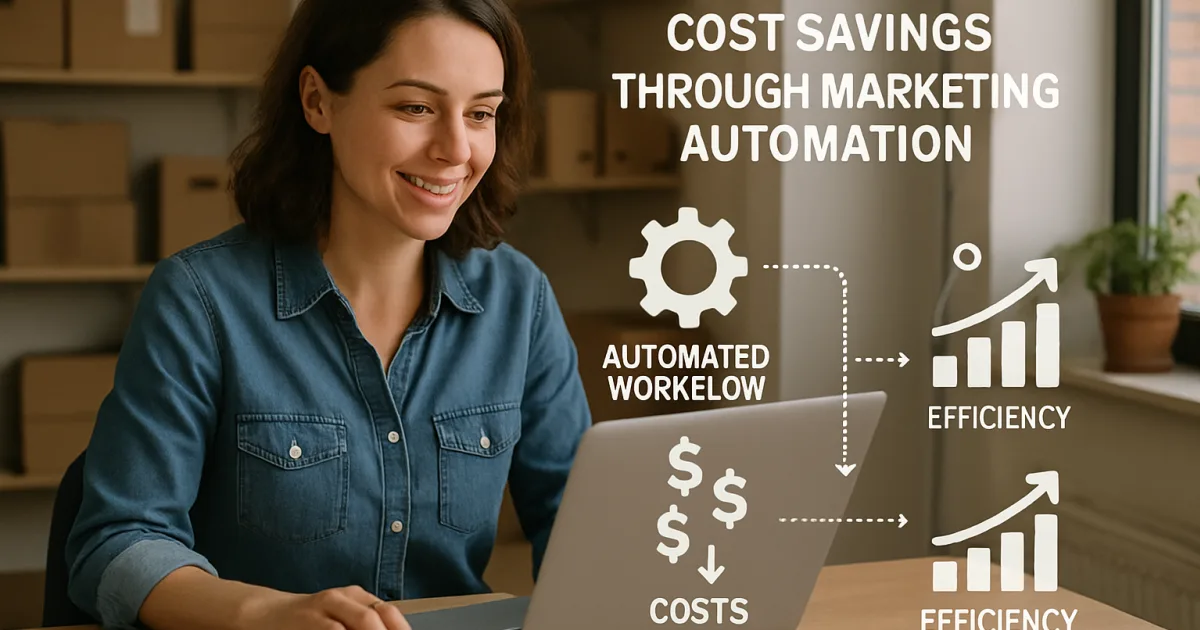
Small businesses are discovering that AI automation isn't just for tech giants anymore. Modern autonomous technology solutions are helping companies of all sizes streamline operations, reduce costs, and compete more effectively in today's digital marketplace.
Understanding AI Automation for Small Business
AI automation combines artificial intelligence with business process automation to handle repetitive tasks, analyze data, and make intelligent decisions without human intervention. For small businesses, this technology represents an opportunity to level the playing field with larger competitors by doing more with fewer resources. Unlike traditional automation that follows rigid rules, AI-powered systems can adapt, learn, and improve their performance over time.
Many small business owners assume AI automation is too complex or expensive for their operations. However, today's solutions are designed with user-friendly interfaces and scalable pricing models that make them accessible to businesses of any size. According to McKinsey research, companies that adopt AI automation see an average productivity increase of 40% within the first year of implementation.
Key Benefits of Implementing Autonomous Technology
The primary advantage of autonomous technology lies in its ability to eliminate time-consuming manual processes that drain productivity. Tasks like data entry, appointment scheduling, inventory management, and customer follow-ups can be automated, freeing up your team to focus on strategic activities that drive growth. This shift from reactive to proactive operations often results in significant cost savings and improved customer satisfaction.
AI automation also provides enhanced accuracy and consistency compared to manual processes. Human error rates in repetitive tasks can reach 5-10%, while properly configured automated systems maintain accuracy rates above 99%. Additionally, these systems work around the clock, ensuring critical business processes continue even outside normal business hours.
Perhaps most importantly, autonomous technology provides valuable insights through data analysis that would be impossible to achieve manually. By tracking patterns in customer behavior, sales trends, and operational efficiency, small businesses can make data-driven decisions that were previously only available to large corporations with dedicated analytics teams.
Common Implementation Challenges and Solutions
The most frequent obstacle small businesses face when adopting AI automation is the perceived complexity of integration with existing systems. Many business owners worry about disrupting current workflows or requiring extensive technical expertise to manage new technologies. However, modern autonomous solutions are designed with plug-and-play capabilities that integrate seamlessly with popular business software platforms.
Another common concern involves employee resistance to change and fears about job displacement. Successful implementation requires clear communication about how automation enhances rather than replaces human capabilities. Our AI implementation approach focuses on augmenting your team's skills while automating routine tasks that prevent them from focusing on higher-value activities.
Budget constraints often delay automation projects, but the cost of inaction frequently exceeds the investment required. Gartner studies show that businesses implementing AI automation typically see ROI within 6-12 months through reduced labor costs and improved efficiency.
Choosing the Right Automation Solutions
Selecting appropriate automation tools requires careful assessment of your business processes and growth objectives. Start by identifying the most time-consuming or error-prone tasks in your daily operations, as these represent the best candidates for initial automation. Focus on processes that are repetitive, rule-based, and high-volume rather than attempting to automate complex decision-making tasks immediately.
Consider solutions that offer scalability and flexibility to grow with your business needs. The best automation platforms provide modular capabilities that allow you to start small and expand functionality as you become more comfortable with the technology. Our comprehensive automation solutions are specifically designed to adapt to various business sizes and industries.
Evaluate potential vendors based on their track record with small businesses, ongoing support capabilities, and integration options with your existing software stack. Look for providers who offer training resources, implementation assistance, and responsive customer service to ensure successful adoption across your organization.
Measuring Success and ROI
Establishing clear metrics before implementing autonomous technology is essential for measuring success and demonstrating value to stakeholders. Key performance indicators typically include time savings, error reduction, cost per transaction, and customer satisfaction scores. These metrics provide tangible evidence of automation benefits and help identify areas for further optimization.
Track both quantitative and qualitative improvements to get a complete picture of automation impact. While cost savings and efficiency gains are easily measured, don't overlook improvements in employee satisfaction, customer experience, and competitive positioning. Our detailed success stories demonstrate how businesses across various industries have achieved measurable results through strategic automation implementation.
Regular performance reviews and system optimization ensure continued value from your automation investment. Most successful implementations involve ongoing refinement based on usage patterns, business changes, and new opportunities for process improvement.
Future-Proofing Your Business with AI
The rapid evolution of AI technology means that businesses implementing automation today are positioning themselves for continued innovation and growth. As artificial intelligence capabilities expand, early adopters will have the infrastructure and expertise to leverage advanced features as they become available. This competitive advantage becomes increasingly valuable as more businesses recognize the necessity of digital transformation.
Staying current with AI developments doesn't require constant system overhauls when you choose flexible, cloud-based solutions that receive regular updates and feature enhancements. The key is partnering with providers who demonstrate commitment to innovation and maintain roadmaps aligned with emerging business needs. Our latest insights help clients stay informed about technological developments that could impact their operations.
Building an automation-first mindset within your organization creates a foundation for sustained growth and adaptability. According to Forrester research, companies that embrace AI early and comprehensively are 2.5 times more likely to achieve above-average growth rates compared to slower adopters.
Frequently Asked Questions
How much does AI automation typically cost for small businesses?
AI automation costs vary significantly based on complexity and scope, but entry-level solutions often start at $50-200 per month. Most small businesses see positive ROI within 6-12 months through reduced labor costs and improved efficiency. Check our pricing information for specific package details tailored to different business sizes.
Will automation replace my employees?
AI automation is designed to augment human capabilities rather than replace employees entirely. It handles repetitive, time-consuming tasks so your team can focus on customer service, strategy, and creative problem-solving. Most businesses find that automation actually improves job satisfaction by eliminating mundane work.
How long does it take to implement AI automation?
Implementation timelines range from 2-8 weeks depending on the complexity of processes being automated. Simple workflows like email responses or data entry can be automated within days, while comprehensive system integrations may require several weeks. Our team provides detailed project timelines during the initial consultation phase.
What technical skills do I need to manage automated systems?
Modern AI automation platforms are designed for non-technical users with intuitive interfaces and drag-and-drop functionality. Most business owners can manage automated workflows with basic computer skills and minimal training. Comprehensive support and training resources ensure you're never left struggling with technical challenges.
Can AI automation integrate with my existing software?
Most modern automation solutions offer extensive integration capabilities with popular business software including CRM systems, accounting platforms, and communication tools. Pre-built connectors eliminate the need for custom development in most cases. Our team conducts compatibility assessments to ensure seamless integration with your current technology stack.
What happens if the automated system makes an error?
Well-designed automation systems include error detection, logging, and rollback capabilities to minimize impact when issues occur. Most platforms allow you to set approval workflows for critical decisions and maintain audit trails for compliance purposes. Regular monitoring and optimization help prevent errors and ensure consistent performance.
How do I know which processes to automate first?
Start with high-volume, repetitive tasks that consume significant time or are prone to human error. Data entry, appointment scheduling, invoice processing, and customer follow-ups are excellent candidates for initial automation. Our consultation process includes workflow analysis to identify the most impactful automation opportunities for your specific business.
Getting Started
Ready to transform your business with AI automation? The journey toward increased efficiency and growth begins with understanding your unique opportunities and challenges. Our team of automation experts works closely with small businesses to design and implement solutions that deliver measurable results from day one. Schedule a consultation today to discover how autonomous technology can help you achieve your business goals while reducing operational complexity and costs.
Brandon Hufstetler
Principal and CEO of Autonomous Retail Technology
Brandon Hufstetler is an AI strategist and executive dedicated to helping businesses connect technology, data, and strategy to achieve real growth in the modern business era. As the Principal and CEO of Autonomous Retail Technology, he leads initiatives that use AI to streamline operations, enhance decision-making, and scale business impact. With nearly 25 years of experience spanning startups, scaling ventures, and large enterprises, Brandon has built a reputation for bridging the gap between innovation and execution. His approach blends business acumen with deep technical insight, enabling organizations to embrace AI in ways that are both responsible and transformative. Before founding Autonomous Retail Technology, Brandon spent more than a decade in senior leadership roles overseeing digital transformation, business development, and enterprise analytics. He is passionate about empowering leaders to navigate the evolving AI landscape with confidence, creativity, and measurable outcomes.
Ready to Automate Your Business?
Let's discuss how automation can transform your operations.
Book a Free Consultation