7 Autonomous Technology Solutions to Boost Small Business Efficiency and Cut Operational Costs
Small businesses lose an average of $12,000 annually to inefficient processes. Learn how autonomous technology solutions can dramatically improve small business efficiency while reducing operational costs through smart automation, AI-powered tools, and streamlined workflows that deliver measurable ROI.
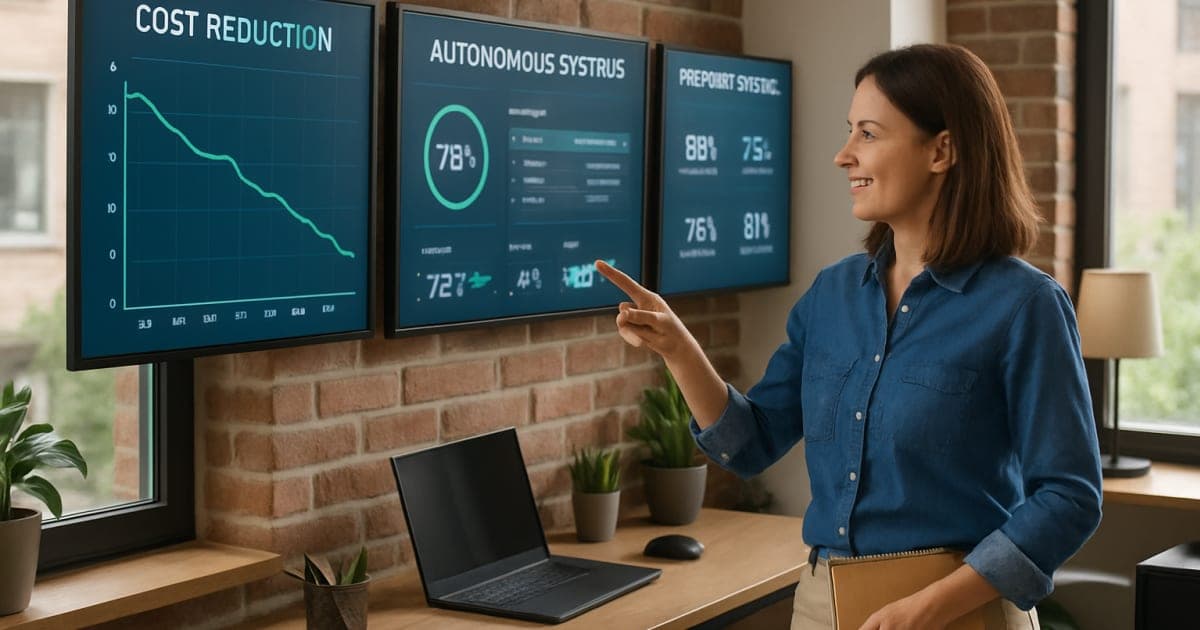
Small businesses today face unprecedented challenges in staying competitive while managing limited resources and growing customer expectations. Autonomous technology solutions offer a powerful way to level the playing field, enabling small companies to operate with the efficiency and precision of much larger organizations.
Understanding Autonomous Technology for Small Business
Autonomous technology encompasses a range of AI-powered systems that can operate independently, making decisions and taking actions without constant human oversight. For small businesses, this technology represents an opportunity to automate routine tasks, improve customer service, and optimize operations in ways that were previously only available to enterprise-level companies. The key is understanding which autonomous solutions align with your specific business needs and growth objectives.
Modern autonomous systems can handle everything from customer inquiries and appointment scheduling to inventory management and financial reporting. These technologies learn from data patterns, adapt to changing conditions, and continuously improve their performance over time. According to McKinsey research, businesses implementing AI and automation technologies see productivity gains of 20-25% on average.
Key Benefits of Autonomous Technology Implementation
The primary advantage of autonomous technology is its ability to handle repetitive tasks with consistency and accuracy, freeing up your team to focus on strategic initiatives and customer relationships. Small businesses often struggle with resource allocation, and autonomous systems help maximize the impact of every team member by eliminating time-consuming manual processes. This efficiency boost translates directly into cost savings and improved profit margins.
Another significant benefit is the 24/7 availability that autonomous systems provide, particularly valuable for customer service and lead generation activities. Your business can respond to inquiries, process orders, and handle routine customer requests even when your team is offline. Studies by Gartner show that businesses using autonomous customer service tools see 35% faster response times and 28% higher customer satisfaction scores.
Common Applications Across Different Industries
Retail businesses benefit tremendously from autonomous inventory management systems that track stock levels, predict demand patterns, and automatically reorder products when needed. These systems prevent stockouts and overstock situations while optimizing cash flow through intelligent purchasing decisions. Professional service firms use autonomous scheduling systems to manage appointments, send reminders, and handle routine client communications seamlessly.
Manufacturing and distribution companies leverage autonomous quality control systems that monitor production processes and identify potential issues before they become costly problems. Healthcare practices implement autonomous patient management systems that handle appointment scheduling, insurance verification, and follow-up communications. Our success stories showcase how businesses across various industries have transformed their operations through strategic automation implementation.
Implementation Strategies for Small Business Success
Successful autonomous technology implementation starts with identifying your biggest operational pain points and resource constraints. Begin by mapping out your current workflows and pinpointing tasks that consume significant time but don't require complex human judgment or creativity. This analysis helps prioritize which processes should be automated first for maximum impact on your business efficiency.
The phased approach works best for small businesses, starting with one or two key processes before expanding to additional areas. This strategy allows your team to adapt gradually while providing measurable results that justify further investment in autonomous solutions. Understanding AI implementation fundamentals helps ensure smooth deployment and optimal system performance from day one.
Training and change management are crucial components often overlooked in technology implementations. Your team needs to understand how autonomous systems enhance their work rather than replace their roles, focusing on the collaborative relationship between humans and AI technology. Clear communication about benefits and proper training on system interactions ensure successful adoption and long-term success.
Measuring ROI and Performance Metrics
Establishing clear metrics before implementing autonomous technology helps demonstrate value and guide optimization efforts over time. Key performance indicators should include time savings on specific tasks, error reduction rates, customer satisfaction improvements, and overall productivity gains. These measurements provide concrete evidence of technology impact and help identify areas for further enhancement.
Financial metrics such as cost per transaction, labor cost reduction, and revenue per employee provide quantifiable ROI calculations that justify technology investments. Most small businesses see positive returns within 6-12 months of implementation, with savings accelerating as systems become more sophisticated through machine learning capabilities. Regular monitoring and adjustment ensure continued optimization and maximum value from your autonomous technology investment.
Tracking customer-facing metrics like response times, resolution rates, and satisfaction scores helps demonstrate the external impact of internal automation improvements. These metrics often show the most dramatic improvements and provide compelling evidence for expanding autonomous technology usage across additional business functions.
Overcoming Common Implementation Challenges
Budget constraints represent the most common concern for small businesses considering autonomous technology implementation. However, modern cloud-based solutions offer scalable pricing models that make advanced AI capabilities accessible without significant upfront investments. Understanding pricing information helps businesses plan implementation phases that align with budget cycles and cash flow patterns.
Technical complexity fears often prevent small business owners from exploring autonomous solutions, but today's systems are designed for user-friendly deployment and management. Most platforms require minimal technical expertise and provide comprehensive support throughout the implementation process. The key is partnering with providers who understand small business needs and offer appropriate guidance and support.
Data security and privacy concerns are legitimate considerations that require careful attention during system selection and deployment. Reputable autonomous technology providers implement enterprise-grade security measures and compliance protocols that often exceed what small businesses could achieve independently. Research from Forrester indicates that well-implemented AI systems actually enhance overall cybersecurity posture through improved monitoring and threat detection capabilities.
Future Trends and Opportunities
The autonomous technology landscape continues evolving rapidly, with new capabilities and applications emerging regularly that create fresh opportunities for small business innovation. Voice-activated systems, predictive analytics, and advanced natural language processing are becoming more accessible and affordable for smaller organizations. Staying informed about technological developments helps identify new automation opportunities as they become available.
Integration capabilities between different autonomous systems are improving, enabling comprehensive automation ecosystems that handle multiple business functions seamlessly. This trend allows small businesses to create sophisticated operational frameworks that rival much larger competitors while maintaining the agility and personal touch that defines successful small enterprises.
The democratization of AI technology means that advanced capabilities once exclusive to large corporations are becoming standard tools for businesses of all sizes. This shift represents a significant opportunity for small businesses to differentiate themselves through superior efficiency and customer experience enabled by autonomous technology solutions.
Frequently Asked Questions
How much does autonomous technology implementation typically cost for small businesses?
Implementation costs vary widely depending on the scope and complexity of solutions chosen, but most small businesses can start with basic automation for $200-500 per month. Cloud-based platforms offer scalable pricing that grows with your business needs. Many businesses see positive ROI within 6-12 months through labor cost savings and efficiency improvements.
Will autonomous technology replace my employees?
Autonomous technology is designed to enhance human capabilities rather than replace workers, handling routine tasks so employees can focus on higher-value activities like customer relationships and strategic planning. Most small businesses find that automation allows them to grow without proportional increases in staffing costs. The technology works best as a collaborative tool that amplifies your team's effectiveness.
How long does it take to implement autonomous technology solutions?
Basic automation systems can be deployed within 2-4 weeks, while more comprehensive solutions may take 2-3 months for full implementation. The timeline depends on system complexity, data migration requirements, and team training needs. Starting with simple processes allows for quicker wins while building toward more sophisticated automation over time.
What technical expertise is required to manage autonomous systems?
Modern autonomous technology platforms are designed for non-technical users, with intuitive interfaces and comprehensive support resources. Most small business owners can manage these systems with basic computer skills and initial training. Many providers offer ongoing support and maintenance services to ensure optimal performance without requiring in-house technical expertise.
How secure is autonomous technology for sensitive business data?
Reputable autonomous technology providers implement enterprise-grade security measures including data encryption, secure cloud storage, and compliance with industry standards like GDPR and HIPAA. These security protocols often exceed what small businesses could achieve independently. Always verify security certifications and compliance capabilities when selecting technology providers.
Can autonomous technology integrate with existing business software?
Most modern autonomous systems offer extensive integration capabilities with popular business software including CRM platforms, accounting systems, and e-commerce tools. API connections and pre-built integrations make it possible to connect new automation with existing workflows seamlessly. Proper integration planning ensures data flows smoothly between all business systems.
What happens if the autonomous system makes errors or malfunctions?
Well-designed autonomous systems include monitoring capabilities, error detection protocols, and fallback procedures to minimize disruption from potential issues. Most platforms provide real-time alerts and detailed logging to help identify and resolve problems quickly. Explore our automation solutions to learn about built-in safeguards and support options.
Getting Started
Autonomous technology offers transformative potential for small businesses ready to embrace efficiency and innovation in their operations. The key to success lies in starting with clear objectives, choosing the right technology partner, and implementing solutions gradually to ensure smooth adoption and maximum value realization. Schedule a consultation today to discover how autonomous technology can accelerate your business growth and operational excellence.
Brandon Hufstetler
Principal and CEO of Autonomous Retail Technology
Brandon Hufstetler is an AI strategist and executive dedicated to helping businesses connect technology, data, and strategy to achieve real growth in the modern business era. As the Principal and CEO of Autonomous Retail Technology, he leads initiatives that use AI to streamline operations, enhance decision-making, and scale business impact. With nearly 25 years of experience spanning startups, scaling ventures, and large enterprises, Brandon has built a reputation for bridging the gap between innovation and execution. His approach blends business acumen with deep technical insight, enabling organizations to embrace AI in ways that are both responsible and transformative. Before founding Autonomous Retail Technology, Brandon spent more than a decade in senior leadership roles overseeing digital transformation, business development, and enterprise analytics. He is passionate about empowering leaders to navigate the evolving AI landscape with confidence, creativity, and measurable outcomes.
Ready to Automate Your Business?
Let's discuss how automation can transform your operations.
Book a Free Consultation