Turnkey AI Solutions for Small Businesses Without IT Departments: A Complete Guide
Running a business without an IT department doesn't mean missing out on AI benefits. Learn how turnkey AI solutions can transform your operations with zero technical expertise required – from setup to ongoing management.
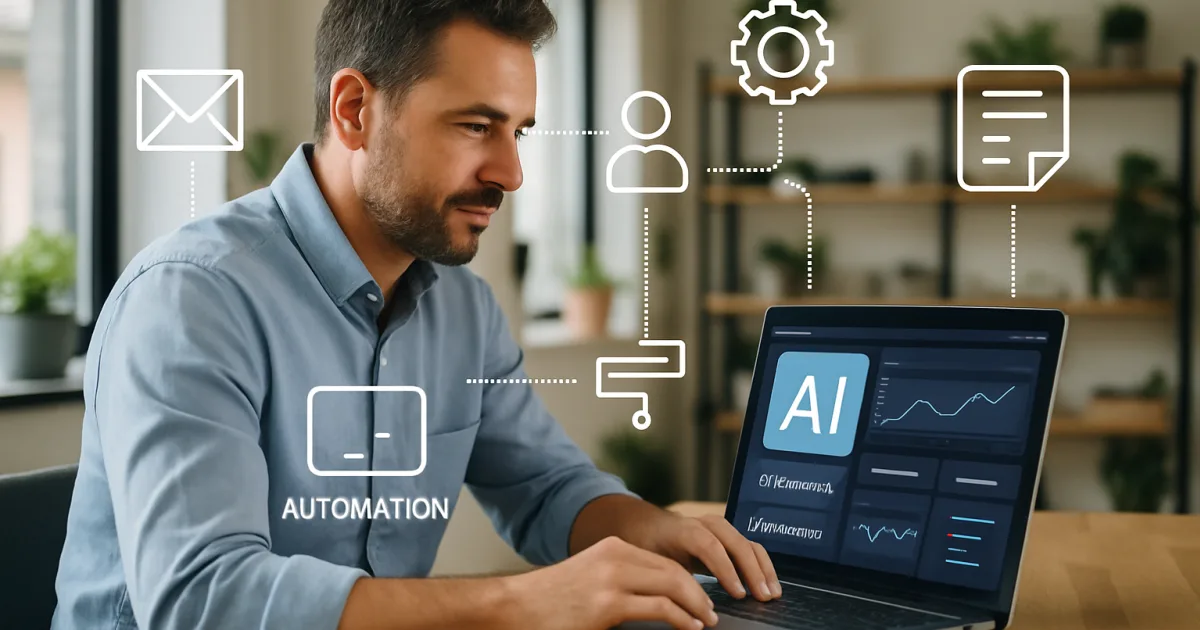
Small businesses are discovering that autonomous technology isn't just for large corporations anymore—it's becoming the competitive edge that separates thriving companies from those struggling to keep up. With artificial intelligence and automation tools becoming more accessible and affordable, business owners can now streamline operations, reduce costs, and scale efficiently without massive IT investments.
Understanding Autonomous Technology for Small Business
Autonomous technology refers to systems that can operate independently with minimal human intervention, using artificial intelligence, machine learning, and automation to complete tasks traditionally requiring manual effort. For small businesses, this technology encompasses everything from chatbots that handle customer inquiries 24/7 to inventory management systems that automatically reorder stock when levels run low. The beauty of modern autonomous solutions lies in their accessibility—you don't need a team of developers or a massive budget to implement them effectively.
Unlike the complex enterprise systems of the past, today's autonomous technology solutions are designed with small businesses in mind. They offer plug-and-play functionality, intuitive interfaces, and scalable pricing models that grow with your business. According to McKinsey research, small and medium-sized businesses that adopt automation technologies see an average productivity increase of 15-25% within the first year of implementation.
Key Benefits of Implementing Autonomous Systems
The primary advantage of autonomous technology for small businesses is the dramatic reduction in time spent on repetitive, manual tasks. When you automate routine processes like data entry, appointment scheduling, or email responses, your team can focus on high-value activities like customer relationship building and strategic planning. This shift not only improves productivity but also enhances job satisfaction as employees engage in more meaningful work.
Cost savings represent another significant benefit, as autonomous systems work around the clock without requiring salaries, benefits, or time off. A single automated system can handle the workload of multiple part-time employees while maintaining consistency and accuracy. Our success stories demonstrate how businesses typically see ROI within 3-6 months of implementing the right autonomous solutions.
Customer experience improvements often surprise business owners with their impact on revenue growth. Autonomous systems provide instant responses to inquiries, personalized recommendations based on purchase history, and proactive communication about order status or service updates. This level of responsiveness builds customer loyalty and often leads to increased sales through improved satisfaction and word-of-mouth referrals.
Common Applications and Use Cases
Customer service automation represents one of the most popular starting points for small businesses entering the autonomous technology space. AI-powered chatbots can handle frequently asked questions, schedule appointments, and even process simple transactions while seamlessly transferring complex issues to human team members. This approach ensures customers always receive immediate attention while reducing the burden on your staff during peak times or after hours.
Marketing automation transforms how small businesses nurture leads and maintain customer relationships through personalized email campaigns, social media posting schedules, and targeted advertising optimization. These systems track customer behavior, segment audiences automatically, and deliver the right message at the optimal time to maximize engagement and conversions. HubSpot research shows that businesses using marketing automation see a 451% increase in qualified leads compared to those relying solely on manual processes.
Financial management and reporting automation helps business owners stay on top of cash flow, invoicing, and expense tracking without drowning in paperwork. Modern autonomous accounting systems can categorize expenses, send payment reminders, generate financial reports, and even predict cash flow trends based on historical data. This level of financial visibility enables better decision-making and helps prevent costly oversights that can impact business growth.
Implementation Strategy and Best Practices
Successfully implementing autonomous technology requires a strategic approach that starts with identifying your biggest pain points and time-consuming processes. Begin by documenting your current workflows and noting tasks that are repetitive, rule-based, or require significant manual effort. This assessment helps prioritize which processes will deliver the greatest impact when automated and ensures you're solving real problems rather than implementing technology for its own sake.
Start small with pilot projects that demonstrate clear value before expanding to more complex systems across your organization. Choose one or two processes that directly impact customer satisfaction or operational efficiency, implement autonomous solutions gradually, and measure results carefully. Our AI implementation process guides businesses through this methodical approach to ensure smooth transitions and maximum adoption rates among team members.
Training and change management often determine the success or failure of autonomous technology implementations in small businesses. Involve your team in the selection process, provide comprehensive training on new systems, and clearly communicate how automation will enhance rather than replace their roles. According to Gartner research, organizations with strong change management practices are 67% more likely to achieve their automation goals successfully.
Overcoming Common Implementation Challenges
Budget constraints often concern small business owners considering autonomous technology, but modern solutions offer flexible pricing models that align costs with business growth. Many platforms provide tiered pricing based on usage, number of users, or features accessed, allowing businesses to start with basic functionality and upgrade as needs expand. The key is viewing autonomous technology as an investment that pays for itself through increased efficiency and reduced labor costs rather than an expense that drains resources.
Technical complexity fears frequently prevent small businesses from exploring autonomous solutions, despite the reality that today's systems are designed for non-technical users. Most modern platforms feature intuitive drag-and-drop interfaces, pre-built templates, and comprehensive support resources that eliminate the need for specialized IT knowledge. When you partner with experienced providers who offer implementation support and ongoing guidance, technical barriers become manageable stepping stones rather than insurmountable obstacles.
Data security and privacy concerns require careful attention when implementing autonomous systems, particularly for businesses handling sensitive customer information. Choose providers that offer enterprise-grade security features, comply with relevant industry regulations, and provide transparent information about data handling practices. Our automation solutions prioritize security with encryption, regular backups, and compliance certifications that protect your business and customer data.
Measuring Success and ROI
Establishing clear metrics before implementing autonomous technology ensures you can accurately measure the impact on your business operations and financial performance. Track quantifiable indicators like time savings per task, reduction in manual errors, customer response times, and cost per transaction to build a comprehensive picture of system effectiveness. These baseline measurements provide concrete evidence of ROI and help identify areas for further optimization or expansion.
Customer satisfaction improvements often represent the most significant long-term value from autonomous technology implementations, though they may take longer to fully materialize than operational efficiencies. Monitor customer feedback scores, response times, resolution rates, and retention metrics to understand how automation affects the customer experience. Many businesses discover that improved consistency and availability through autonomous systems leads to higher customer lifetime value and increased referral rates.
Financial impact assessment should include both direct cost savings from reduced manual labor and indirect benefits like increased capacity for revenue-generating activities. Calculate the total cost of ownership for your autonomous systems, including implementation, training, and ongoing maintenance costs, then compare this against measurable benefits like reduced staffing needs, decreased error-related costs, and increased sales from improved customer service. Our pricing information helps businesses understand the investment required and expected returns for different types of autonomous solutions.
Future-Proofing Your Business with Autonomous Technology
The rapid evolution of autonomous technology means that solutions available today will continue improving in capability and decreasing in cost, making early adoption a strategic advantage for forward-thinking small businesses. Companies that begin implementing autonomous systems now develop organizational competencies and cultural adaptability that position them to leverage future innovations more effectively than competitors waiting for "perfect" solutions. This first-mover advantage compounds over time as automated processes generate data that enables increasingly sophisticated optimizations.
Scalability considerations become crucial as your business grows, making it important to choose autonomous technology platforms that can expand with your evolving needs. Look for solutions that offer modular functionality, integration capabilities with other business systems, and pricing models that remain cost-effective at larger volumes. The goal is building a technology foundation that supports growth rather than requiring complete replacement as your business reaches new milestones.
Staying informed about emerging autonomous technology trends helps small business owners make strategic decisions about when and how to adopt new capabilities. Follow industry publications, attend relevant conferences, and maintain relationships with technology providers who can advise on upcoming developments that might benefit your specific business model. Our latest insights keep business owners updated on autonomous technology trends and practical applications for small businesses.
Frequently Asked Questions
What types of tasks can autonomous technology handle for small businesses?
Autonomous technology excels at handling repetitive, rule-based tasks such as customer service inquiries, appointment scheduling, inventory management, email marketing campaigns, data entry, invoicing, and social media posting. These systems can also manage more complex processes like lead scoring, personalized product recommendations, and financial reporting. The key is identifying tasks that follow predictable patterns and don't require creative problem-solving or complex human judgment.
How much does it cost to implement autonomous technology in a small business?
Implementation costs vary widely based on the complexity and scope of solutions, but many small businesses start with basic automation tools for $50-500 per month. More comprehensive systems that handle multiple business processes typically range from $500-2000 monthly, while custom implementations may require higher initial investments. Most businesses see positive ROI within 3-6 months due to reduced labor costs and increased efficiency.
Will autonomous technology replace my employees?
Autonomous technology is designed to augment human capabilities rather than replace employees entirely, focusing on eliminating tedious, repetitive tasks that don't require human creativity or judgment. Most small businesses find that automation allows existing staff to focus on higher-value activities like customer relationship building, strategic planning, and creative problem-solving. This shift typically leads to improved job satisfaction and enables business growth without proportional increases in staffing costs.
How long does it take to implement autonomous technology solutions?
Implementation timelines depend on the complexity of chosen solutions and your existing technology infrastructure, but basic automation tools can often be deployed within days or weeks. More comprehensive systems that integrate multiple business processes typically require 1-3 months for full implementation including training and optimization. The key is starting with simple solutions and gradually expanding capabilities as your team becomes comfortable with the technology.
Do I need technical expertise to use autonomous technology?
Modern autonomous technology platforms are designed for non-technical users with intuitive interfaces, drag-and-drop functionality, and pre-built templates that eliminate the need for coding or complex technical knowledge. Most providers offer comprehensive training, support resources, and implementation assistance to ensure successful adoption. Working with experienced automation specialists can further simplify the process and ensure optimal configuration for your specific business needs.
How secure is autonomous technology for handling business data?
Reputable autonomous technology providers implement enterprise-grade security measures including data encryption, regular backups, access controls, and compliance with industry regulations like GDPR and HIPAA where applicable. These systems often provide better security than manual processes because they eliminate human error, maintain detailed audit trails, and apply consistent security protocols. Always verify that chosen providers offer transparent security documentation and relevant compliance certifications for your industry.
What happens if the autonomous system makes mistakes or fails?
Quality autonomous technology solutions include error handling mechanisms, monitoring capabilities, and human oversight options to minimize mistakes and provide backup procedures when issues occur. Most systems offer detailed logging and notification features that alert users to potential problems, while built-in safeguards prevent critical errors from causing significant damage. The key is choosing reliable providers with proven track records and maintaining appropriate human oversight during initial implementation phases.
Getting Started
Autonomous technology offers small businesses unprecedented opportunities to compete more effectively, serve customers better, and scale operations without proportional increases in overhead costs. The key to success lies in starting with clear objectives, choosing the right solutions for your specific needs, and implementing changes gradually with proper support and training. Don't let the fear of technology hold your business back from realizing the significant benefits that automation can provide. Take the first step toward transforming your operations by exploring our comprehensive automation solutions designed specifically for small businesses, or schedule a consultation to discuss how autonomous technology can address your unique challenges and growth objectives.
Brandon Hufstetler
Principal and CEO of Autonomous Retail Technology
Brandon Hufstetler is an AI strategist and executive dedicated to helping businesses connect technology, data, and strategy to achieve real growth in the modern business era. As the Principal and CEO of Autonomous Retail Technology, he leads initiatives that use AI to streamline operations, enhance decision-making, and scale business impact. With nearly 25 years of experience spanning startups, scaling ventures, and large enterprises, Brandon has built a reputation for bridging the gap between innovation and execution. His approach blends business acumen with deep technical insight, enabling organizations to embrace AI in ways that are both responsible and transformative. Before founding Autonomous Retail Technology, Brandon spent more than a decade in senior leadership roles overseeing digital transformation, business development, and enterprise analytics. He is passionate about empowering leaders to navigate the evolving AI landscape with confidence, creativity, and measurable outcomes.
Ready to Automate Your Business?
Let's discuss how automation can transform your operations.
Book a Free Consultation