How Turnkey AI Solutions Cut Operational Costs by 40% in Manufacturing
Manufacturing companies are struggling with rising operational costs while facing pressure to maintain competitive pricing. Turnkey AI solutions offer a proven path to reduce expenses by automating processes, optimizing resource allocation, and eliminating inefficiencies—with some companies achieving 40% cost reductions within 12 months.
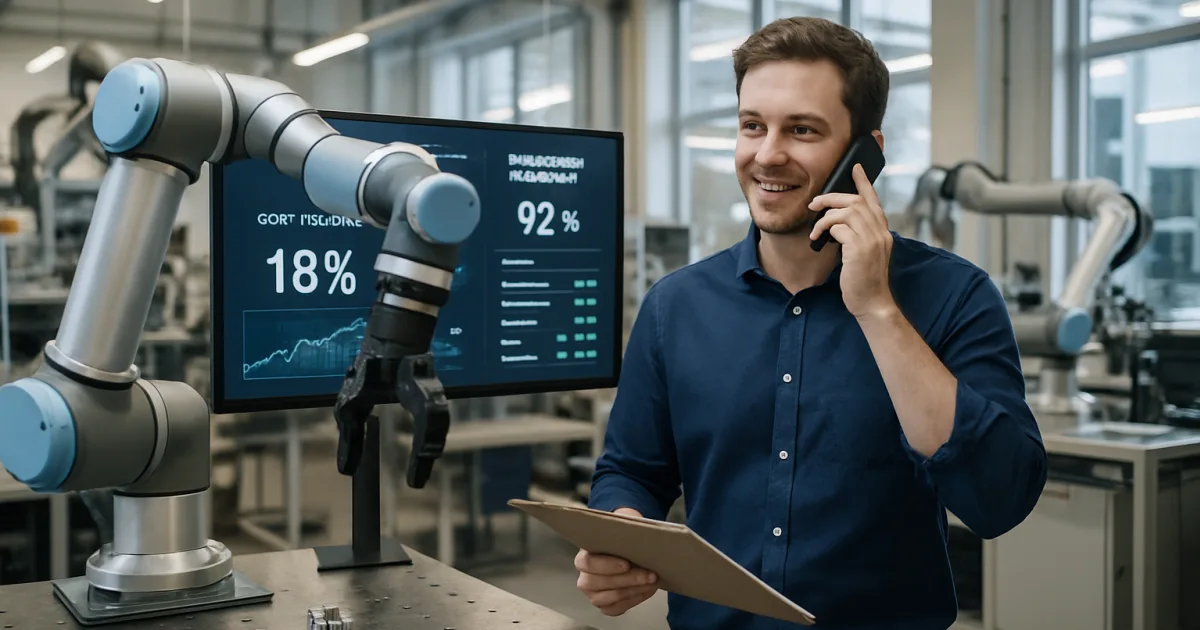
Small businesses today face unprecedented challenges in staying competitive while managing rising costs and increasing customer expectations. The solution lies in leveraging autonomous technology to streamline operations, reduce manual tasks, and unlock new growth opportunities.
Understanding Autonomous Technology for Small Business
Autonomous technology refers to systems that can operate independently with minimal human intervention, using artificial intelligence and machine learning to make decisions and execute tasks. For small businesses, this means automating repetitive processes, improving customer service, and gaining valuable insights from data analysis. Unlike traditional automation that follows simple rules, autonomous systems adapt and learn from patterns, becoming more effective over time. This technology is no longer exclusive to large corporations - it's becoming accessible and affordable for businesses of all sizes.
The key difference between basic automation and autonomous technology is intelligence and adaptability. While basic automation might send the same email to every customer, autonomous systems can personalize messages based on customer behavior, purchase history, and preferences. This level of sophistication helps small businesses compete with larger companies by delivering enterprise-level customer experiences without the associated costs.
Key Benefits of Implementing Autonomous Solutions
The most immediate benefit small businesses experience is significant time savings across daily operations. Automation solutions can handle tasks like inventory management, customer inquiries, appointment scheduling, and financial reporting without constant supervision. According to McKinsey research, businesses that implement intelligent automation see productivity gains of 20-35% within the first year. This freed-up time allows business owners and employees to focus on strategic activities that drive growth and innovation.
Cost reduction is another compelling advantage, as autonomous technology eliminates the need for additional staff while reducing human error. Small businesses often operate on tight margins, making efficiency crucial for survival and growth. Autonomous systems work 24/7 without breaks, sick days, or vacation time, providing consistent service quality that enhances customer satisfaction. The technology also provides detailed analytics and insights, helping business owners make data-driven decisions about inventory, marketing, and customer service strategies.
Common Applications in Small Business Operations
Customer service chatbots represent one of the most popular autonomous technology applications for small businesses. These AI-powered assistants can handle common inquiries, process orders, and even troubleshoot basic issues without human intervention. Many businesses report that chatbots resolve 60-80% of customer questions instantly, improving response times and customer satisfaction while reducing workload on staff. The technology integrates seamlessly with existing websites and social media platforms, making implementation straightforward for most businesses.
Inventory management systems powered by autonomous technology can predict demand patterns, automatically reorder stock, and optimize storage allocation. These systems analyze sales data, seasonal trends, and external factors to maintain optimal inventory levels without overstocking or stockouts. Financial management is another area where autonomous technology shines, automatically categorizing expenses, generating reports, and identifying unusual patterns that might indicate fraud or errors. Success stories from similar businesses demonstrate how these applications deliver measurable results within months of implementation.
Getting Started with Implementation
The implementation process begins with identifying which business processes would benefit most from automation and autonomy. Start by documenting repetitive tasks that consume significant time or frequently result in errors, as these represent the best opportunities for immediate improvement. AI implementation typically follows a phased approach, beginning with one or two key processes before expanding to other areas of the business. This gradual rollout allows teams to adapt to new workflows and ensures smooth integration with existing systems.
Choosing the right technology partner is crucial for successful implementation, as they provide expertise, training, and ongoing support throughout the process. Look for providers who understand small business needs and offer scalable solutions that can grow with your company. The initial investment might seem significant, but Gartner research indicates that businesses typically see return on investment within 6-12 months of implementing autonomous technology solutions.
Overcoming Common Implementation Challenges
Many small business owners worry about the complexity and cost of implementing autonomous technology, but modern solutions are designed with user-friendliness in mind. The biggest challenge is often resistance to change from employees who fear technology will replace their jobs, rather than enhance their capabilities. Successful implementation requires clear communication about how autonomous technology will augment human work rather than eliminate it, creating opportunities for employees to focus on more meaningful and strategic tasks.
Data integration represents another common hurdle, especially for businesses using multiple software systems that don't communicate effectively with each other. Working with experienced implementation partners helps navigate these technical challenges and ensures seamless data flow between systems. Training is essential for maximizing the benefits of autonomous technology, and most providers offer comprehensive support to help teams adapt to new processes and capabilities. What makes us different is our commitment to providing ongoing support and training that ensures long-term success.
Measuring Success and ROI
Establishing clear metrics before implementation helps demonstrate the value and impact of autonomous technology investments. Key performance indicators typically include time savings, cost reduction, error rates, customer satisfaction scores, and revenue growth attributed to improved efficiency. Most businesses track both quantitative metrics like processing time and costs, as well as qualitative improvements in employee satisfaction and customer experience. Regular monitoring and analysis help identify areas for optimization and additional automation opportunities.
The return on investment for autonomous technology extends beyond immediate cost savings to include competitive advantages and growth opportunities. Businesses often discover new revenue streams or market opportunities that become accessible through improved efficiency and capabilities. Documentation of results and lessons learned helps refine processes and build confidence in expanding autonomous technology to additional areas of the business. Pricing information and ROI calculations help business owners make informed decisions about their technology investments.
Future Trends and Opportunities
The autonomous technology landscape continues to evolve rapidly, with new capabilities and applications emerging regularly that benefit small businesses. Artificial intelligence is becoming more sophisticated and accessible, enabling smaller companies to leverage advanced analytics, predictive modeling, and personalized customer experiences previously available only to large enterprises. Integration between different autonomous systems is improving, creating comprehensive business management platforms that handle multiple functions seamlessly.
Voice-activated interfaces and mobile-first solutions are making autonomous technology even more user-friendly and accessible for small business operations. Forrester research predicts that by 2025, autonomous technology will be standard in most small business operations rather than a competitive advantage. Staying informed about emerging trends and capabilities helps businesses plan for future growth and maintain their competitive edge in rapidly changing markets.
Frequently Asked Questions
How much does autonomous technology cost for small businesses?
Implementation costs vary widely depending on the scope and complexity of solutions, typically ranging from $500 to $5,000 monthly for small businesses. Most providers offer scalable pricing models that grow with your business, allowing you to start small and expand as you see results. The investment usually pays for itself within 6-12 months through improved efficiency and cost savings.
Will autonomous technology replace my employees?
Autonomous technology is designed to augment human capabilities rather than replace employees entirely. It handles repetitive, time-consuming tasks so your team can focus on strategic work, customer relationships, and creative problem-solving. Many businesses find that autonomous technology actually creates opportunities for employee growth and job satisfaction by eliminating mundane tasks.
How long does it take to implement autonomous technology?
Implementation timelines typically range from 2-8 weeks for basic solutions, with more complex integrations taking 2-3 months. The process involves system setup, data integration, testing, and team training to ensure smooth operation. Most businesses see immediate benefits once implementation is complete, with full optimization occurring over the following months.
Do I need technical expertise to manage autonomous technology?
Modern autonomous technology solutions are designed for business users, not technical experts, with intuitive interfaces and comprehensive support. Most providers offer training, documentation, and ongoing technical support to help you maximize the benefits of your investment. Basic computer skills and willingness to learn new processes are typically sufficient for successful operation.
What happens if the autonomous system makes mistakes?
Autonomous systems include safeguards, monitoring, and human oversight to minimize errors and catch issues quickly when they occur. Most solutions allow you to set approval thresholds for important decisions and maintain audit trails for all actions. The error rates are typically lower than manual processes, and the systems learn from mistakes to improve performance over time.
Can autonomous technology integrate with my existing software?
Most autonomous technology solutions are designed to integrate with popular business software through APIs and standard connections. During the planning phase, integration specialists assess your current systems and design connections that ensure seamless data flow. This integration capability is one of the key advantages of working with experienced implementation partners who understand various software ecosystems.
How secure is autonomous technology for small businesses?
Enterprise-grade security features including encryption, access controls, and compliance certifications are standard in modern autonomous technology platforms. Many solutions actually improve security by reducing human access to sensitive data and maintaining detailed audit logs of all activities. Security updates and monitoring are typically handled automatically by the technology provider, reducing the burden on small business owners.
Getting Started
Ready to transform your small business with autonomous technology? The journey begins with understanding your unique needs and identifying the processes that would benefit most from automation and intelligence. Latest insights and industry research can help you stay informed about emerging opportunities and best practices for implementation. Don't let your competition gain an advantage while you wait – schedule a consultation today to explore how autonomous technology can drive growth and efficiency in your business.
Brandon Hufstetler
Principal and CEO of Autonomous Retail Technology
Brandon Hufstetler is an AI strategist and executive dedicated to helping businesses connect technology, data, and strategy to achieve real growth in the modern business era. As the Principal and CEO of Autonomous Retail Technology, he leads initiatives that use AI to streamline operations, enhance decision-making, and scale business impact. With nearly 25 years of experience spanning startups, scaling ventures, and large enterprises, Brandon has built a reputation for bridging the gap between innovation and execution. His approach blends business acumen with deep technical insight, enabling organizations to embrace AI in ways that are both responsible and transformative. Before founding Autonomous Retail Technology, Brandon spent more than a decade in senior leadership roles overseeing digital transformation, business development, and enterprise analytics. He is passionate about empowering leaders to navigate the evolving AI landscape with confidence, creativity, and measurable outcomes.
Ready to Automate Your Business?
Let's discuss how automation can transform your operations.
Book a Free Consultation